
Bojin vs Gua Sha: Key Differences for Effective Skincare Benefits
Introduction to Skincare Treatments
Traditional Chinese Medicine (TCM) offers a variety of therapeutic techniques aimed at improving skin health and overall well-being. Among the most popular treatments are Bojin and Gua Sha, each designed to enhance blood circulation, support lymphatic drainage, and release muscle tension for radiant skin.
Understanding the key differences between Bojin vs Gua Sha allows individuals to choose the most suitable therapy for their unique skincare needs. When incorporated into a consistent wellness routine, these treatments can promote skin repair, improve skin tone, and restore balance to the body’s energy flow.
| Feature | Bojin Therapy | Gua Sha |
|---|---|---|
|
Technique & Tool
|
Involves deep tissue manipulation using a pointed tool
|
Involves scraping the skin with a smooth-edged tool
|
|
Focus & Benefits
|
Targets meridian points and facial muscles to release tension, improve blood circulation, enhance facial contours, and promote collagen production
|
Improves lymphatic drainage and blood flow, reduces muscle tension, enhances skin clarity, and promotes a radiant complexion
|
|
Scope & Ideal For
|
Mainly facial muscles and localized areas; ideal for deep tissue relief and skin rejuvenation
|
Face and body; ideal for surface-level circulation, detox, and relaxation
|
|
Combination Potential
|
Can be combined with Gua Sha to maximize overall skin health and radiant skin
|
Works with Bojin to enhance deep and surface-level benefits
|
The Origins of Bojin and Gua Sha
Bojin and Gua Sha are rooted in the principles of Traditional Chinese Medicine (TCM), with histories spanning thousands of years. Both therapies were developed as holistic methods to address underlying imbalances that affect overall health and skin condition. Bojin therapy emphasizes deep tissue manipulation using specialized tools to release tension in facial muscles and improve circulation. By targeting stagnant energy and acupressure points, Bojin treatments can enhance facial contours and support overall skin health.
Gua Sha, in contrast, employs a smooth-edged tool to gently scrape the skin, encouraging lymphatic drainage, improving blood flow, and eliminating toxins. This method focuses on the body’s meridian lines and energy channels, promoting relaxation and a radiant complexion. While both therapies aim to improve skin health, the techniques, tools, and focus areas differ, making it important to understand their unique benefits.
What is Bojin Therapy?
Bojin therapy involves deep tissue manipulation with a pointed tool or pointed tip to target specific meridian points. It relieves muscle tension, reduces inflammation, and improves blood circulation, thereby supporting the body’s energy flow. Bojin facials apply this technique to the face, stimulating acupressure points and facial muscles to improve facial contours, reduce muscle pain and tension, enhance collagen production, and promote skin firmness and skin tone.
This therapy is particularly suited for individuals seeking targeted relief from muscular tension, improved blood circulation, and rejuvenated skin. Regular Bojin treatments contribute not only to facial health but also to overall well-being by restoring balance to energy flow and addressing underlying imbalances.
What is Gua Sha?
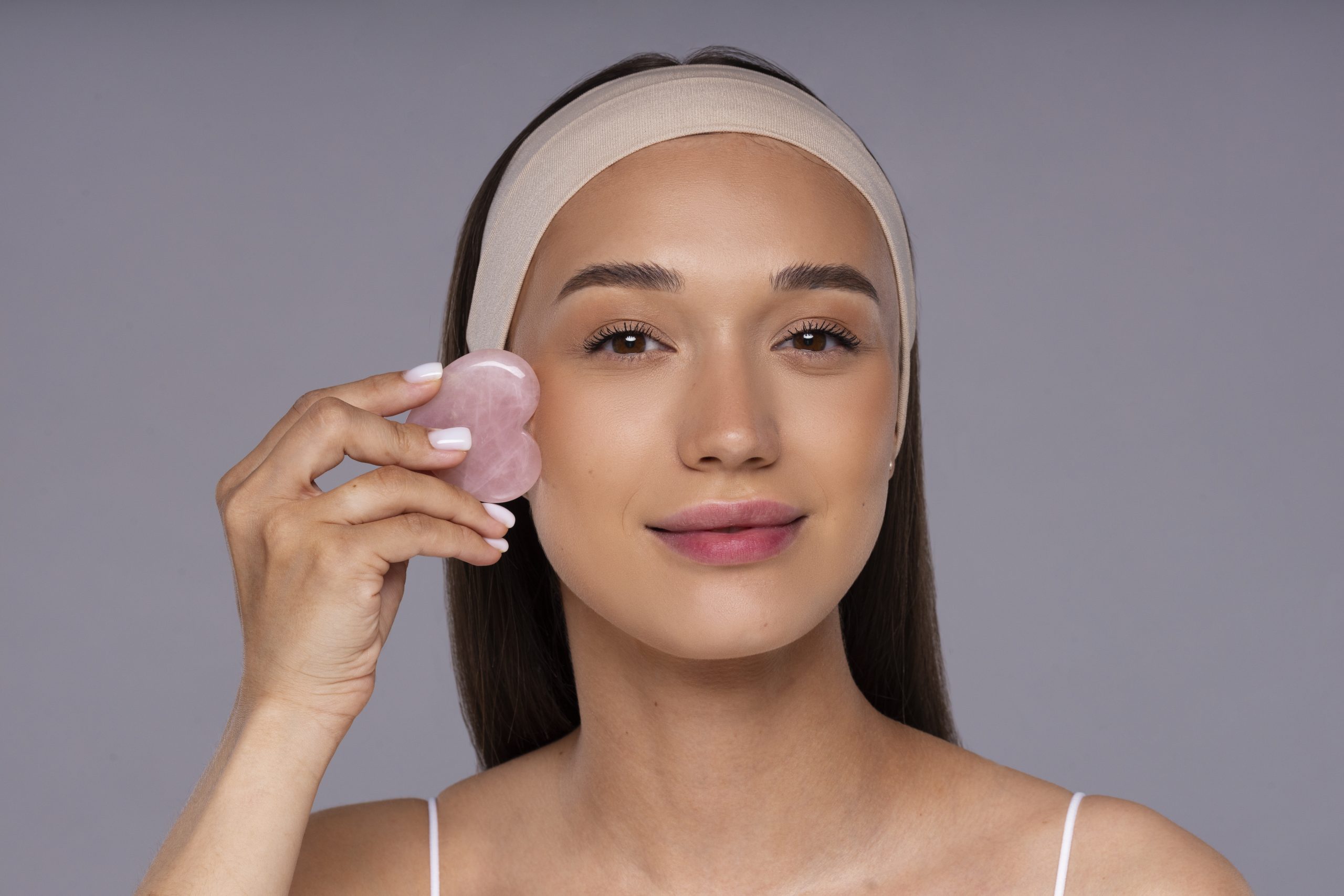
Gua Sha treatments involve scraping the skin with a smooth-edged tool, often crafted from rose quartz or jade, to encourage lymphatic drainage and improve blood flow. Facial Gua Sha is a popular application that promotes circulation, enhances skin clarity, and supports collagen production.
Key benefits of Gua Sha include releasing toxins and reducing inflammation, boosting circulation for a radiant complexion, relieving muscle tension and promoting relaxation, and supporting overall skin health and skin condition. Unlike Bojin therapy, which focuses on deep tissue manipulation, Gua Sha emphasizes surface-level improvements and is versatile, suitable for different areas of the body as well as facial treatment.
Techniques and Tools Used
Bojin therapy and Gua Sha differ in their approach and the tools used. Bojin involves deep tissue manipulation using a pointed tool applied to meridian points, which can stimulate collagen production and enhance skin firmness. Gua Sha, however, uses a smooth-edged tool to perform gentle massage and sweeping motions along the skin, encouraging lymphatic drainage and improving circulation.
Choosing between Bojin vs Gua Sha depends on individual needs. Bojin is ideal for targeted pressure, deep tissue manipulation, and addressing muscular tension. Gua Sha focuses on improving lymphatic drainage, surface circulation, and overall skin vitality. Many modern practitioners combine these traditional methods with advanced technology, such as radiofrequency devices, to further enhance results and extend the benefits of the treatments.
Bojin Facials and Skin Benefits
Bojin facials involve deep tissue manipulation to release energy blockages and improve the flow of life energy through facial muscles. This process promotes skin repair, enhances skin tone, and can reduce fine lines while improving facial contours. Bojin treatments support overall skin health by encouraging circulation, reducing inflammation, and promoting radiant skin over time.
Gua Sha Treatments and Collagen Production
Gua Sha treatments gently massage and scrape the skin to stimulate collagen production and improve skin clarity. By encouraging lymphatic drainage and promoting relaxation, facial Gua Sha enhances circulation and contributes to a radiant complexion. Regular treatments help maintain overall skin health, reduce puffiness, and support the body’s energy flow.
Bojin vs Gua Sha: Key Differences
The main differences between Bojin and Gua Sha lie in their tools and techniques. Bojin therapy uses a pointed tool to target specific meridian points and release muscle tension, improving blood circulation and deep tissue health. Gua Sha uses a smooth-edged tool to scrape the skin, boosting lymphatic drainage, surface circulation, and promoting a radiant complexion. Both therapies offer unique advantages and can be combined to maximize skincare benefits, enhance collagen production, and support toxin elimination.
Choosing the Right Treatment
When deciding between Bojin vs Gua Sha, consider your skincare goals and preferences. Opt for Bojin if you want deep tissue manipulation, targeted pressure on facial muscles, and improved blood circulation. Choose Gua Sha to enhance lymphatic drainage, reduce inflammation, and achieve a radiant complexion. Consulting with a qualified practitioner ensures treatments are safe, effective, and tailored to your individual needs.
Finding a Qualified Practitioner
Seek practitioners with experience in Traditional Chinese Medicine (TCM), Bojin therapy, and Gua Sha techniques. Look for certifications in acupuncture or acupressure, read reviews, and ask for referrals. Proper sanitation, safety protocols, and an understanding of facial anatomy are essential for safe treatments.
Side Effects and Precautions
Both Bojin and Gua Sha are generally safe, though temporary redness, bruising, or mild discomfort may occur. Individuals with certain health conditions, such as bleeding disorders or pacemakers, should avoid these therapies. Always follow practitioner guidance for aftercare to ensure optimal results and overall skin health.
Frequency of Treatments
The frequency of Bojin treatments and Gua Sha sessions depends on your skincare goals. Weekly or bi-weekly appointments are typical for noticeable improvements, while monthly maintenance sessions help sustain long-term benefits. A practitioner can recommend a treatment schedule based on your skin condition and desired results.
Combining Bojin and Gua Sha for Enhanced Benefits
Using Bojin and Gua Sha together can enhance overall skin health by addressing both deep tissue and surface-level concerns. This combination improves circulation, encourages lymphatic drainage, releases muscle tension, and supports radiant skin. Regular treatments, incorporated into a wellness routine, can maximize the benefits for skin tone, collagen production, and overall well-being.
Conclusion
Bojin and Gua Sha are highly effective skincare therapies rooted in Traditional Chinese Medicine (TCM). By understanding the key differences, including their techniques, tools, and benefits, individuals can choose the treatment best suited to their skin health goals. Incorporating Bojin treatments and Gua Sha into a consistent wellness routine can enhance blood circulation, reduce muscle tension, promote lymphatic drainage, and restore balance to the body’s energy flow, ultimately achieving radiant skin and supporting overall health and well-being.
FAQ
Is Bojin facial effective?
Yes, a Bojin facial improves skin tone, reduces puffiness, and boosts collagen and elasticity through deep tissue manipulation that stimulates meridian points and promotes blood and lymphatic circulation.
What are the side effects of Bojin?
Bojin therapy is generally safe, but some may experience temporary soreness, redness, or mild bruising in areas of deeper pressure.
Is Bojin the same as Gua Sha?
Bojin uses a pointed tool for deep tissue and meridian release, while Gua Sha uses a smooth-edged tool to scrape the skin’s surface, addressing more superficial issues like inflammation and muscle tension.
How often should I do face Bojin?
A Bojin facial is recommended once every 2–4 weeks, with the frequency adjusted based on your skin condition and goals.
Does Gua Sha have negative side effects?
Gua Sha can cause short-term skin sensitivity, tenderness, or redness, especially for dry, thin, or reactive skin, or if excessive pressure is applied.
Should I Gua Sha my face every day?
Gua Sha can be done once or twice a day for consistent benefits, but overdoing it or using too much pressure can cause bruising or irritation.
Does massaging your face increase collagen?
Yes, facial massage stimulates fibroblasts, improves blood circulation, and promotes collagen production, leading to firmer, more elastic, and youthful-looking skin.
What's better than Gua Sha?
For targeted facial contouring and deeper tissue release, Bojin therapy may be more effective, while jade rollers offer a gentler, quick lift for everyday use.